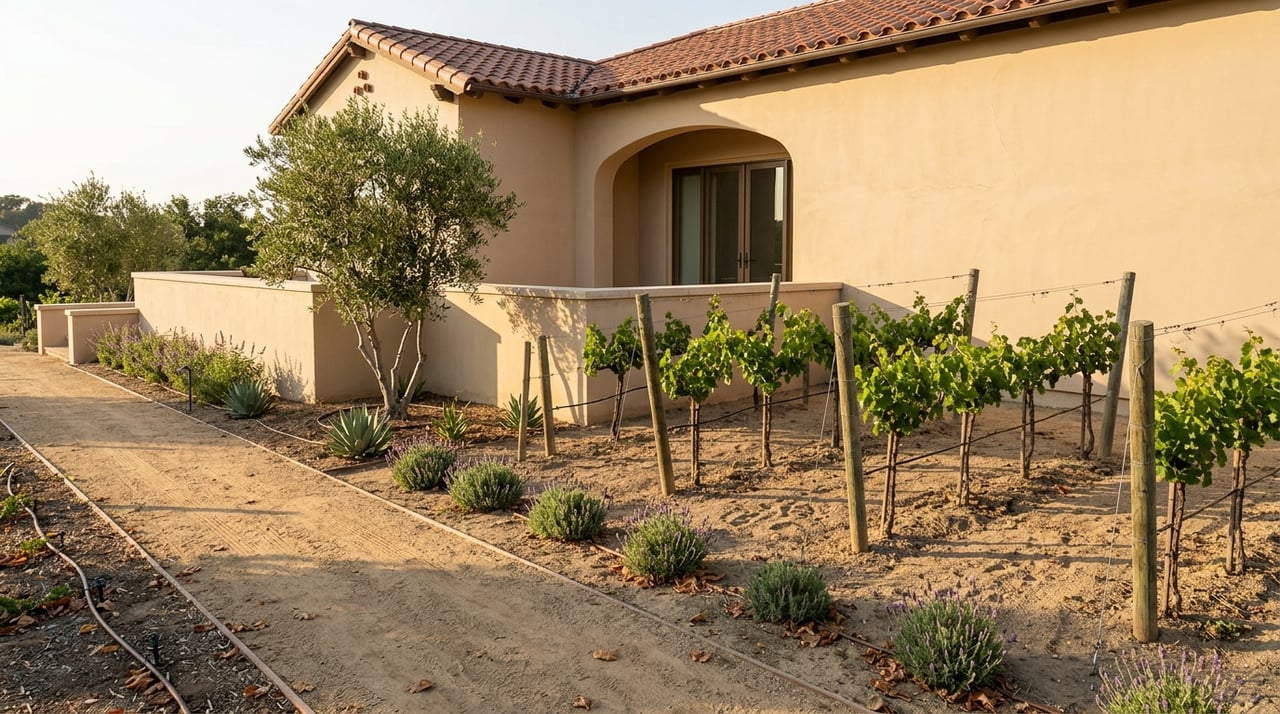
Looking for a Bonsall property with sweeping views or room for a small vineyard? You are not alone. Buyers are often drawn to Bonsall for its privacy, open space, and scenic hills, but these purchases can be very different from buying a typical suburban home. If you are considering a view lot, an estate parcel, or land with hobby agriculture potential, it helps to know what really drives value and usability here. Let’s dive in.
Why Bonsall Stands Out
Bonsall is a semi-rural unincorporated community in the foothills of the Peninsular Mountain Range. County planning documents describe a landscape of hills, valleys, drainage areas, steep slopes, ridgelines, and panoramic views. That setting is a big part of why Bonsall attracts buyers who want a sense of space and a more rural feel.
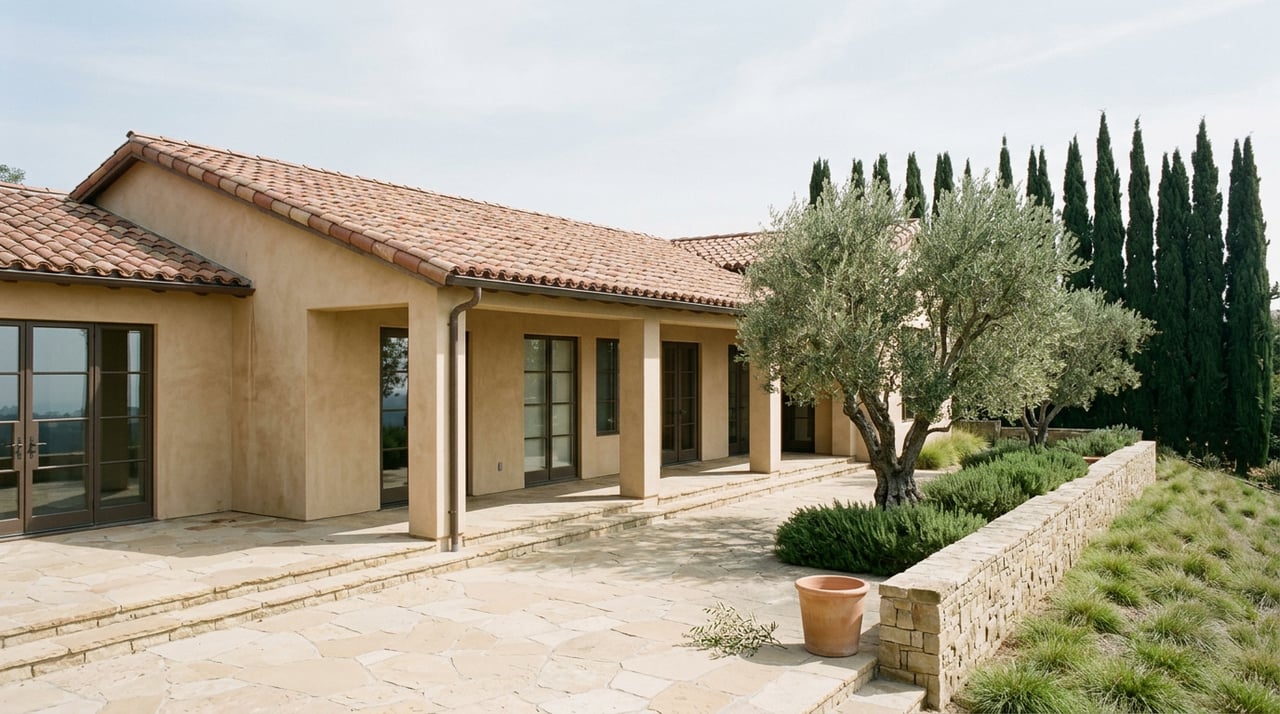
Outside the village boundaries, lot sizes can range from about one acre in the southwest portion of the community to two, 20, or more acres in other areas. That mix gives Bonsall a unique identity. In one search, you may find a polished view home on an estate lot, a parcel with agricultural potential, and a property that blends both.
View Properties Need More Than Views
A great view can be the reason you fall in love with a property, but in Bonsall, the land itself often matters just as much as the scenery. County planning guidance makes it clear that slope, access, water, septic, and wildfire exposure can be just as important as the house.
That means a beautiful hillside setting may also come with practical questions. You will want to understand how the site functions day to day, not just how it looks during a showing.
Slope and Buildability Matter
Bonsall is known for rugged terrain, and lot lines are often less obvious in that setting. According to the community plan, the location of houses can matter more than lot lines because the topography shapes how a parcel is actually used.
If you are thinking about future improvements, guest space, outdoor living areas, or planting vines, parcel-specific land use becomes important. The County land-use map includes designations such as Village Residential, Semi-Rural Residential, and Rural Lands. Those labels can affect what is realistic on a property, so it is smart to verify the parcel designation early.
Access Can Change the Experience
One of the biggest lifestyle differences in Bonsall is road access. The community plan notes that many private roads exist and that a majority are not well maintained because enforceable road-maintenance agreements are often missing.
For buyers, that makes access more than a convenience issue. You will want to confirm how the property is reached, whether any shared driveway or private road agreement exists, and what maintenance responsibilities may come with it.
Vineyard Potential Starts With the Site
Bonsall’s agricultural character is part of its appeal, and the community plan notes that local agricultural land benefits from microclimates. It also states that grapes can coexist with residential uses because they require relatively small areas compared with many other crops.
That said, a vineyard-friendly property is not simply a parcel with extra land. The practical question is whether the site has the right combination of water, drainage, exposure, and access for the type of planting you have in mind.
Water Is a Major Piece
Water planning is critical in Bonsall. County documents note that multiple water agencies serve parts of the community, while wells are commonly used as the only potable water supply in rural areas of San Diego County. If a well is involved, County DEHQ says installing or modifying one requires a permit.
If a property is inside the Fallbrook Public Utility District service area, there may be additional details to confirm. FPUD states that its agricultural rate program requires an application, an active agricultural area on the meter, and a backflow device. FPUD also notes that agricultural deliveries may be reduced during drought or supply emergencies.
Irrigation Efficiency Counts
For anyone thinking about grapes, irrigation is not a small detail. UC IPM says irrigation is essential for good vine growth and grape production, and drip irrigation is preferred. It also notes that hot inland valleys may need more frequent irrigation.
That matters in Bonsall because the community plan describes the local environment as semi-arid and identifies water conservation as a major concern. In practical terms, efficient irrigation design can make a big difference for both operating costs and long-term vineyard health.
Soil, Slope, and Exposure Shape Results
UC ANR guidance on vineyard site selection highlights several major site factors, including slope, aspect, wind, and soil drainage. Heavy clay can create water issues, while sandy soils may drain too quickly. Grapes tend to like hot summer days and cool summer nights, but temperature extremes can be problematic.
This is why two Bonsall parcels that look similar on paper can perform very differently in real life. If you are considering a hobby vineyard, the land’s exposure, drainage, and microclimate deserve close attention before you make assumptions.
Septic and Sewer Need Early Review
Sewer service is limited in Bonsall, and septic systems are used throughout most of the community. County planning documents also note that smaller lots in the southwest corner near Vista can make septic systems difficult under current County standards.
Slope can add another layer. County septic rules require extra slope-related documentation when a site exceeds 25% slope. If you are buying for a house plus agricultural use or future improvements, it is wise to verify septic feasibility and whether drainage or engineering work could affect your plans.
Fire Safety Should Be Part of Your Search
Bonsall’s scenic rural setting comes with wildfire considerations. County guidance says defensible space is one of the most important steps for improving a home’s chance of surviving wildfire.
For buyers, this means you should verify defensible-space obligations and fire access early in the process. Different fire districts serve different parts of Bonsall, and CAL FIRE is involved in wildland areas, so conditions can vary by location.
Hobby Vineyard or Commercial Operation?
There is a big difference between planting a few rows of grapes for personal enjoyment and operating a commercial agricultural business. If your goal is a hobby vineyard, your focus will usually be on water, irrigation, drainage, slope, and basic parcel suitability.
If your goal is commercial production, the rules can become much more involved. The San Diego Water Board requires commercial agricultural operations to comply with General Agricultural Orders, which include water-quality protection planning, maps showing wells and irrigation, best management practices, annual training, monitoring or reporting, and annual fees.
Know Your Intended Use
Before you buy, be clear about what you want the property to do for you. A scenic estate with a few vines for personal enjoyment is a very different purchase from a parcel intended for agricultural income.
That clarity helps shape your due diligence. It can also prevent you from overpaying for land that looks versatile but does not match your actual plans.
The Real Trade-Offs in Bonsall
Bonsall offers privacy, open space, scenic relief, and a rural-agricultural character that many buyers find hard to replicate in other North County areas. At the same time, county planning documents make clear that infrastructure and everyday convenience can be more limited than in suburban neighborhoods.
That does not make Bonsall better or worse. It simply means the right property is the one that fits how you want to live. For some buyers, the views, land, and quiet are exactly the point. For others, road conditions, utility setup, or maintenance needs may feel like too much of a compromise.
Your Bonsall Buyer Checklist
Before you move forward on a view or vineyard property in Bonsall, make sure you verify the basics:
- Parcel land-use designation
- Road access and any road-maintenance agreement
- Water source, meter setup, and possible backflow requirements
- Sewer availability or septic feasibility
- Slope and drainage conditions
- Defensible-space and fire access considerations
- Whether your intended use is hobby agriculture or commercial agriculture
In a market like Bonsall, these details are not side notes. They often determine how enjoyable, usable, and marketable the property will be over time.
If you are buying in Bonsall, local experience matters. Properties here can be highly rewarding, but they also call for a careful, informed approach. When you understand the land first, you put yourself in a much stronger position to buy with confidence.
If you are exploring view homes, estate parcels, or land with vineyard potential in Bonsall, Jamie Gilman can help you evaluate the property beyond the photos and ask the right questions before you commit.
FAQs
What makes buying a view property in Bonsall different from buying a typical home?
- In Bonsall, the land often drives the purchase as much as the house, so slope, access, water, septic, and wildfire exposure all deserve close review.
Can you plant a hobby vineyard on a Bonsall residential property?
- Possibly, but the best answer depends on the parcel’s land-use designation, water source, drainage, slope, and site exposure.
Does every Bonsall property have sewer service?
- No. County planning documents say sewer service is limited in Bonsall, and septic systems are used throughout most of the community.
Why should you verify a private road agreement in Bonsall?
- The community plan notes that many private roads exist and that many are not well maintained because enforceable road-maintenance agreements are often missing.
What water questions should you ask about a Bonsall vineyard property?
- You should verify whether the property uses district water, a private well, or both, and whether meter setup, permits, or backflow requirements apply.
Do commercial vineyard plans in Bonsall involve extra rules?
- Yes. If the property will be used for commercial agricultural operations, the San Diego Water Board says General Agricultural Orders may apply, including planning, best management practices, reporting, training, and fees.