Seeing “Mello-Roos” on a San Marcos listing and not sure what it means for your budget? You’re not alone. Many buyers run into this term when they tour newer communities, and it can raise smart questions about costs and value. In this guide, you’ll learn what Mello-Roos is, where you’ll find it in San Marcos, how it affects your monthly payment and loan approval, and the key documents to review before you write an offer. Let’s dive in.
Mello-Roos basics in California
Mello-Roos is a special tax created under California’s Community Facilities Act of 1982. Cities, counties, or special districts form Community Facilities Districts, called CFDs, to fund public improvements and services. The special tax helps pay for things like roads, water and sewer lines, parks, and sometimes school facilities and public safety upgrades.
This tax is different from your regular property tax. It is a separate line item that appears with other special assessments on your tax bill. The tax is a lien tied to the property, not the owner, so it transfers when the home sells.
Where you see it in San Marcos
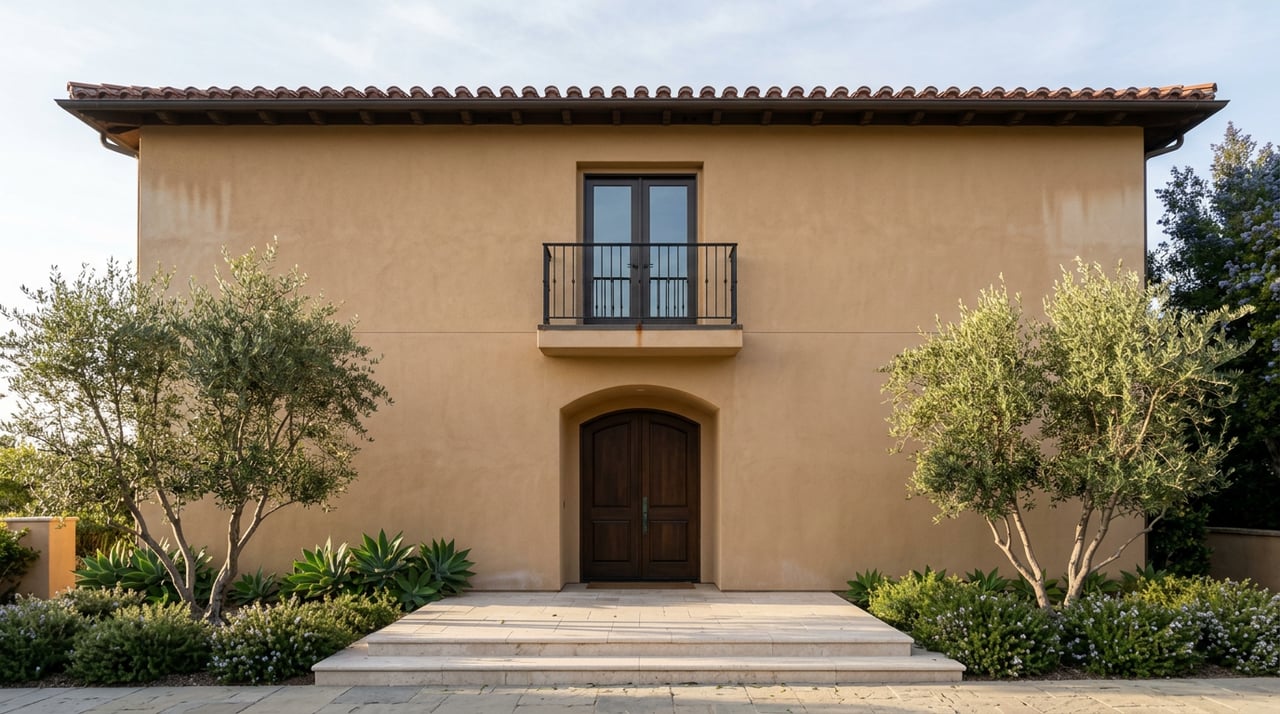
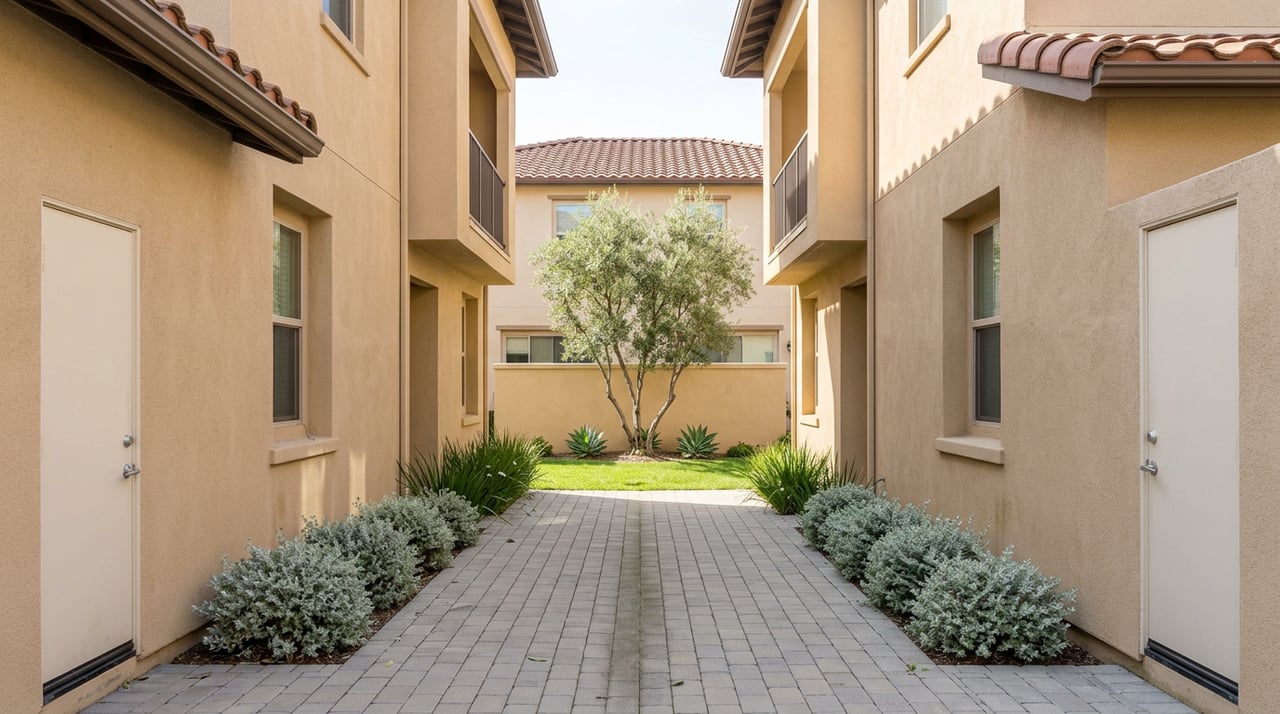
You’re most likely to encounter Mello-Roos in newer master-planned communities and larger subdivisions developed since the 1980s. These areas often used CFD bonds to build infrastructure and amenities up front. In San Marcos, that typically means newer neighborhoods on the city’s growing edges rather than older central areas.
Every CFD is unique, and boundaries vary by parcel. To confirm if a specific property has Mello-Roos, you need parcel-level records from county and city sources.
How it shows up when you buy
You will see signs of Mello-Roos at several points in a transaction:
- MLS details. Look for fields labeled “Mello-Roos,” “CFD,” or “Special Assessments.” Not all listings include full details, so always verify.
- Seller and escrow disclosures. The disclosure packet and escrow documents often reference CFD taxes.
- Title and tax bills. A preliminary title report and the current property tax bill list special taxes by name and district number.
- HOA documents. If there is an HOA, the resale packet may include Mello-Roos references and bond disclosures.
- County and city records. The County Assessor/Treasurer-Tax Collector portal and City of San Marcos finance can confirm district details and amounts for a specific parcel.
What it means for your monthly payment
Mello-Roos is billed annually with your property taxes, usually in two installments. If your lender escrows taxes, they will add the special tax to your monthly payment.
To budget, divide the annual special tax by 12. For example, if the annual Mello-Roos is $2,400, that adds about $200 per month. If your mortgage principal and interest are $2,500 and other escrowed costs are $400, adding $200 raises your monthly housing cost from $2,900 to $3,100.
Lenders include special taxes in your debt-to-income ratio. A higher special tax can reduce your borrowing power or require a lower purchase price to qualify.
Duration and possible increases
CFD bonds have set maturities. Some special taxes decline as bonds are paid off, while others follow fixed or escalating schedules. Many districts include annual increases tied to a set percentage or an index such as CPI, up to a cap.
The remaining term and any escalation rules drive your long-term costs. Because the tax is a lien on the property, unpaid amounts can lead to serious collection actions under county tax default procedures.
Due diligence checklist
Use this checklist to confirm the facts before you offer:
- Current tax bill. Get the latest property tax bill showing the exact Mello-Roos amount and the CFD name/number.
- Title report. Review the preliminary title report for recorded special tax liens.
- HOA packet. If applicable, look for disclosures related to CFDs and bond statements.
- Recorded documents. Pull the Notice of Special Tax Lien from the county recorder.
- Official Statements. Read the CFD’s Official Statement or Preliminary Official Statement for purpose, tax formula, escalation, and maturity.
- Verification. Contact City of San Marcos finance or the county CFD administrator for written confirmation of the amount and remaining term.
Key data to capture:
- Annual special tax and whether it is fixed or variable.
- The escalation method and cap, if any.
- Final bond maturity or estimated payoff date.
- Prepayment options for the tax or bonds.
- CFD name/number and any subareas.
- Contact information for city, county, or bond trustee.
Compare CFD vs. non-CFD homes
When you compare homes, look beyond the list price and calculate the full carrying cost.
- Convert to monthly. Divide the annual Mello-Roos by 12 and add it to your monthly housing cost.
- Compare as a percentage. Look at the annual special tax as a percentage of the purchase price to gauge burden.
- Weigh term and escalators. A higher tax that ends soon may be better than a lower tax that rises for decades.
- Consider community value. Newer infrastructure and amenities can be valuable; decide what matters most to you.
If Mello-Roos is material to affordability, consider these tactics:
- Price and credits. Adjust your offer price, request seller credits, or ask for a credit covering the first year’s special tax.
- Proof of amount. Require documented evidence of the exact tax before finalizing your offer.
- Lender alignment. Confirm with your lender how the special tax will be treated in underwriting and whether it must be escrowed.
Local tips for San Marcos buyers
- Start with the APN. Use the parcel number to look up the property’s tax bill and any special taxes.
- Do not rely only on MLS. Absence of a “Mello-Roos” field is not proof there is no special tax.
- Get everything in writing. Save tax bills, city or county confirmations, and lender emails for your file.
- Ask early. Special tax questions can delay underwriting if raised late in escrow.
Should you avoid Mello-Roos?
Not necessarily. Mello-Roos often funds the very features that make a community appealing, like well-built roads, utilities, and parks. For some buyers, a reasonable special tax is acceptable given the neighborhood benefits.
For others, a long-term or escalating tax can strain the budget or affect resale demand. The key is to confirm the facts, model the monthly impact, and compare options side by side.
Ready to evaluate a property?
If you want a clear read on Mello-Roos for a specific San Marcos home, we can help you gather the right documents, review the fine print, and compare total monthly costs across neighborhoods. Reach out to Jamie Gilman for local guidance and a smooth plan forward.
FAQs
What is Mello-Roos in San Marcos real estate?
- It is a special tax levied by a Community Facilities District to fund public improvements and services, billed separately from your regular property tax and tied to the property.
How can I tell if a San Marcos home has Mello-Roos?
- Check the current property tax bill for special tax line items, review the preliminary title report, and confirm with county and city finance records by parcel number.
How does Mello-Roos affect my mortgage approval?
- Lenders count Mello-Roos in your monthly housing cost, which can raise your debt-to-income ratio and may lower your maximum loan amount.
How long do Mello-Roos taxes last in San Marcos?
- The term depends on the district’s bonds and tax schedule; some decline and end when bonds mature, while others include escalators and can run for decades.
Can I negotiate around Mello-Roos when buying?
- You can adjust price, request seller credits, or ask for a credit toward the first year’s special tax, but always verify exact amounts in writing before you commit.
What happens if Mello-Roos is not paid?
- The special tax is a lien on the property, and unpaid amounts follow county tax default procedures that can lead to serious collection actions.